Norway Removals in Norway
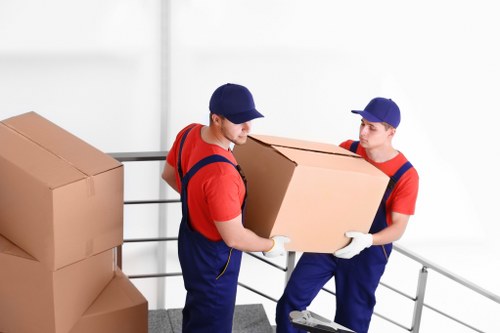
Norway removals calls for careful planning, sensible packing and a methodical approach to moving furniture, household effects or office equipment within the place or to another destination. Our service is built around practical removal work: lifting, carrying, loading, transport and careful placement at the other end. The aim is to keep the process orderly, with attention to access, timings and the items themselves, whether the move is straightforward or involves more detailed handling.
We support a range of moving tasks through clear choices of vehicle and labour, including removal services, home moves and commercial moves. That means we can help with everyday domestic relocations, business premises changes and smaller load movements where a full-scale operation is not required. If you are comparing options, it is sensible to think about what needs to be moved, how much time the team will need and whether access is simple or constrained.
For many customers, the main concern is finding a removal approach that is practical without becoming overcomplicated. We handle the core tasks expected from a removals business: preparing items for transport, managing heavier pieces and keeping the moving day as structured as possible. If you would like to talk through a planned move, you can request a quotation once you have a clear list of what needs to go.
Domestic moving support
Domestic removals often work best when the service matches the scale of the property and the items involved. A flat move with limited parking, for example, can need a different vehicle and loading plan from a larger house move with more rooms and heavier furniture. Our domestic work is intended to support those differences without overpromising extras that may not be needed. It is about giving the move a workable structure and keeping the handling of each item appropriate to its size and fragility.
Related domestic pages can help you explore the right style of move, including house removals, house movers and house removalists. Those terms point to the same general service area, but they can still be useful when you are deciding how to phrase an enquiry or compare the moving support you need. In practice, the important detail is not the label; it is whether the service suits your property, access arrangements and number of rooms.
Packing, handling and room-by-room planning
When the load includes fragile items, awkward furniture or mixed household contents, the process benefits from a room-by-room approach. Packing should protect the contents and make unloading simpler, especially where breakable items, electronics or fittings need separate handling. If you are preparing for a move, a short inventory helps identify what is staying, what is going and what requires special care. Clear labelling can also make placement easier once items reach the new property.
Vehicle and manpower options

Removal work often depends on matching the right vehicle with the right amount of labour. A compact load may suit a smaller van, while larger household contents or bulkier business equipment may call for a different setup. We offer pages that reflect those practical options, including man and van, man with van and moving van. These can be useful when the job is too involved for a simple car trip but does not require a large-scale removals operation.
For heavier or more complex consignments, it may be better to consider moving truck, removal truck hire or removal van. The best choice depends on item volume, access restrictions and whether loading needs to happen in one run or over several. A sensible approach is to choose transport that gives enough capacity without leaving wasted space or creating unnecessary handling.
Our aim is to keep the service practical rather than overcomplicated. If a smaller team and vehicle will do the job, that can be the simplest route; if the load is substantial, a more robust arrangement is more suitable. You do not need to decide every detail immediately, but it helps to know the main category of move before asking for an estimate.
Commercial removals and office relocation
Business moves need a slightly different rhythm from domestic relocations because equipment, records and furniture often have to be moved with a view to keeping the premises usable. Our commercial removal work is focused on orderly transfer rather than disruption, and that can include office furniture, archive boxes, workstations and other business contents. The practical priorities are safe carrying, sensible sequencing and keeping the job organised from collection to placement.
Where a company is relocating staff or equipment, the service pages office removals and office relocation services are the most directly relevant. They are useful whether the move involves a single suite of rooms or several linked spaces. A business can benefit from thinking through what has to be disconnected, what can stay assembled and which items need to be reinstalled or re-sited at the destination.
Commercial removals also need straightforward preparation. Sensitive paperwork should be boxed securely, desks should be cleared and IT kit should be identified before collection. Good preparation does not make the move complicated; it helps the team work in a more orderly way. If you are arranging a business move, request a quotation once the list of rooms, furniture and equipment is ready.
About Norway

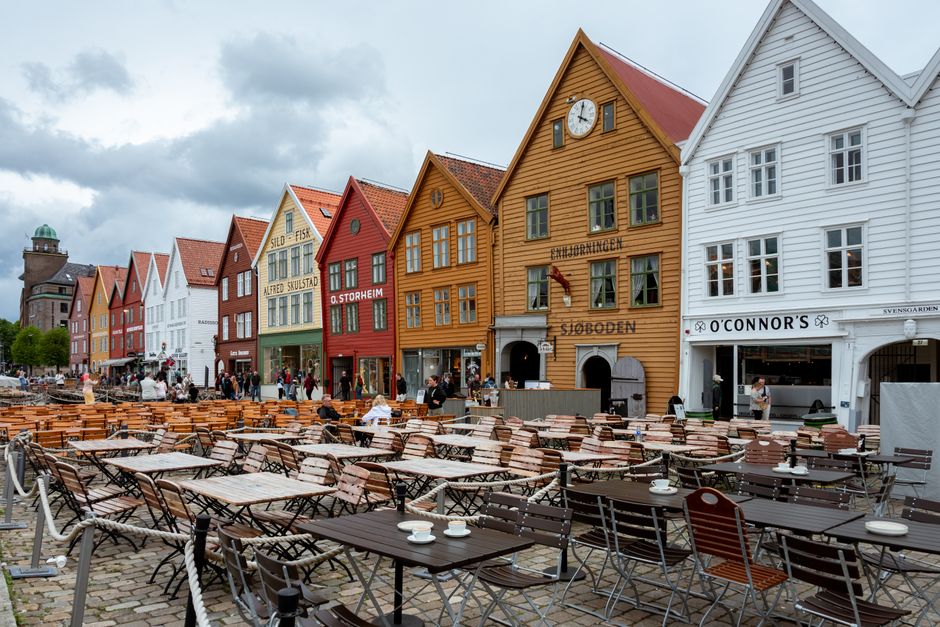
Norway is a Scandinavian country in northern Europe, occupying the western part of the Scandinavian Peninsula and stretching along a long Atlantic coastline. Its geography is strongly shaped by mountains, deep fjords, glaciers and a broken shoreline of islands and inlets, with settlement patterns influenced by the contrast between coastal cities and inland highland terrain. Oslo, the capital, lies at the head of the Oslofjord, while Bergen, Trondheim and Stavanger are among the country’s best-known historic urban centres. Norway’s landscape includes major natural features such as the Jotunheimen mountain area, the Hardangerfjord and the Lofoten archipelago, each associated with different aspects of travel, culture and local life. The country has a constitutional monarchy and a history marked by Norse medieval kingdoms, union periods with Denmark and Sweden, and the modern development of an independent state in the 20th century. Cultural traditions remain visible in stave churches, coastal trading towns, Sami heritage in the north and a strong relationship between the built environment and the natural setting. Seasonal light, winter conditions and the importance of waterways have all shaped architecture, transport and daily routines. Contemporary Norway is also known for its museum culture, design, outdoor recreation and careful stewardship of natural landscapes, with protected areas and scenic routes playing an important role in public life. Together, these elements give the country a distinctive identity that combines urban development, maritime history and striking natural form.
Practical steps before moving day
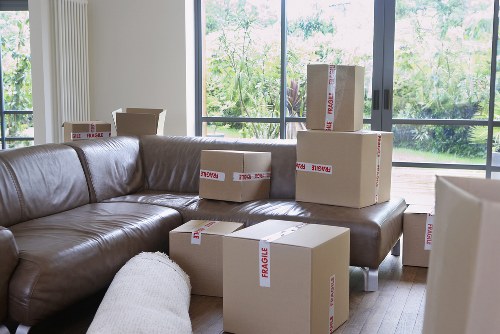
A well-run removal usually begins with a sensible review of what is being moved, how accessible the property is and whether anything needs dismantling before collection. It is useful to identify stairways, lifts, shared entrances and parking arrangements early, because these details can affect the time taken on the day. If there are items that need extra attention, note them separately so they are not lost in the main list of household or office contents.
Another useful step is to group belongings by category: fragile, heavy, awkward, valuable and everyday items. That makes it easier to judge packing materials and loading order. It also helps if you are comparing options between movers, removal companies and removal company pages, because you can decide whether you need broad support or a narrower service tailored to a particular kind of move. Once the basics are clear, the quotation process becomes more straightforward.
For customers who are still refining the plan, the most useful information is often simple and factual: what is moving, how much there is and where it needs to go. That keeps the discussion focused on the actual work rather than on unnecessary detail. If you are ready to progress, a brief enquiry is the right next step.
Furniture, lifting and single-item transport
Not every removal involves an entire house or office. Sometimes the task is to move a sofa, table, wardrobe or a small number of bulky items that are awkward to lift alone. That is where more focused transport pages such as furniture pick-up, man with van removal and man with van can be relevant. These services suit situations where careful loading and delivery matter more than a large moving crew.
Single-item and furniture removals still need care. Large pieces may require protective wrapping, disassembly or two-person handling, especially where doorways, corners or stairs create difficulties. The best outcome usually comes from choosing a vehicle and labour level that matches the item rather than overestimating or underestimating the task. A sofa delivered to one floor may need a different approach from a tall cabinet going through a narrow landing.
When the move is limited in scope, a concise list of items and the collection and delivery points is usually enough to start planning. That keeps the process efficient and reduces the risk of missing something important. You can also ask for pricing guidance once the item list is settled.
Packaging, loading and careful transit
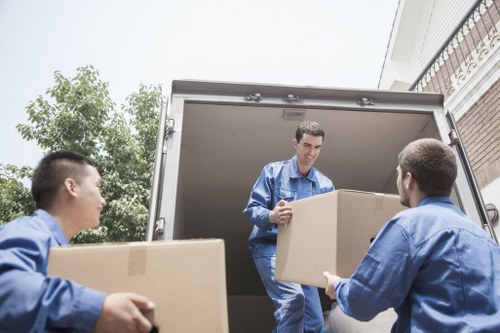
Good removals depend on more than simply putting objects into a vehicle. Items need to be arranged so that they travel securely, with heavier pieces positioned sensibly and fragile belongings shielded from movement. Where suitable, packing and unpacking support can help turn a complicated handover into a more controlled process. The purpose of that support is not to make every move identical, but to keep the handling appropriate to the load.
For customers who need an extra level of support around the contents themselves, packing and unpacking services can sit alongside the move. This can be useful where time is limited, the contents are delicate or the destination needs items placed in a particular order. It is still important to separate what should be packed in advance from what must be carried last, because loading order can affect both safety and speed.
Removal transport works best when the load is secure and the route has been thought through. Items should be positioned to reduce movement in transit, and the unloading sequence should reflect the destination layout. If you would like support with a move that needs that kind of attention, request a quotation and include the essentials of the job.
Choosing the right removals service
Different moves call for different levels of support, and the most suitable choice is often the one that matches the size, complexity and timing of the work. A household relocation, a business move and a one-off furniture collection all have separate practical needs even though they sit within the same broad removals field. Pages such as removal services, removals and removals near me can help you navigate those broad categories.
It also helps to think about how much preparation you want the moving team to handle. Some customers only need transport, while others want loading support, unpacking or help with more awkward items. The service should fit the job rather than force the job into a preset pattern. If your move has particular requirements, make a note of them so that the enquiry can be assessed on the right basis.
Commercial choices can be clearer when you compare the main type of work first and then narrow down the vehicle or labour level. That way you are not trying to solve every moving detail at once. A well-matched service usually saves time, avoids confusion and gives you a more workable plan from start to finish.
Pricing, quotations and useful information
Moving costs are usually affected by practical factors such as the amount of goods, the type of access, the distance travelled and whether the job needs packing or additional handling. Rather than guessing, it is better to share enough information for a realistic quotation. The page pricing and quotes is the most relevant place to begin if you want to understand how an estimate may be prepared. It is also useful to know whether the move is one-way, involves multiple stops or includes items that need special care.
When preparing an enquiry, a short and organised summary is most helpful. The points below are usually enough to get a clear starting discussion:
- what is being moved, including any large or fragile items;
- the collection and delivery locations;
- any stairs, narrow access or parking limits;
- whether packing, dismantling or reassembly is needed;
- the preferred moving date or time window.
If you are ready to progress, make an enquiry and include the basic move details. For direct contact, the final step is to use contact us once you have the information to hand. That keeps the quotation request focused and helps the next conversation go more smoothly.
Service standards and useful reassurance
Removal work should feel practical, not stressful. That is why clear communication, appropriate equipment and a measured pace matter so much on moving day. Good service is reflected in the way items are handled, how the loading sequence is managed and whether the team stays attentive to the job in hand. It is also why customers often prefer to know what is covered before the move begins.
Our broader information pages, including insurance and safety, health and safety policy and recycling and sustainability, may be useful if you want to understand the supporting framework around the work. Those pages do not change the moving task itself, but they can help explain how general standards and responsible handling are approached. It is always sensible to review the parts that matter to your own move.
When you are comparing removals options, concentrate on the practical fit: what is being moved, how it will be loaded and what level of support is needed at each end. That approach usually leads to a better decision than trying to choose on the basis of labels alone. If the move feels ready to price, now is a good time to request a quotation.