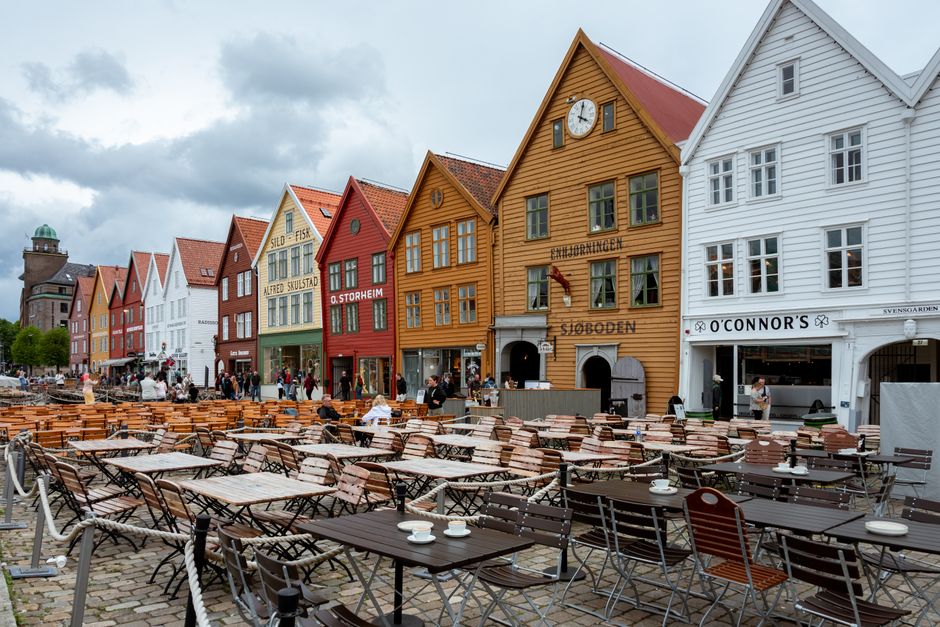
Bryggen Bergen Furniture Removals Historic Access Tips
Bryggen in Bergen is beautiful, busy, and a little unforgiving when you are trying to move furniture through it. The wooden wharf buildings, tight lanes, uneven surfaces, visitor flow, and heritage sensitivities can turn a straightforward removal into a job that needs thought. If you are planning Bryggen Bergen furniture removals historic access tips, the real challenge is not just lifting a sofa. It is protecting the site, keeping the move efficient, and avoiding the kind of access problems that waste time and strain backs.
This guide walks through what matters, how access usually works in a historic setting, and how to plan a safer, smoother move without overcomplicating it. You will find practical steps, a comparison of different moving methods, a realistic checklist, and the kind of advice that tends to save people a headache or two. To be fair, historic moves are rarely glamorous. But with the right preparation, they can be calm enough.
Why Bryggen Bergen Furniture Removals Historic Access Tips Matters
Bryggen is not a normal residential street. It is a historic district where access needs to respect the character of the place, the safety of pedestrians, and the practical limits of loading around older buildings. That means furniture removals here are shaped by more than size and speed. A bulky wardrobe, a fragile dining table, or even a simple two-seater can become difficult if the route is narrow, the pavement is uneven, or the loading space is limited.
This matters because mistakes in a heritage area tend to multiply quickly. A missed access detail can create delays, block foot traffic, or force you to carry items further than planned. In some cases, that means extra labour. In others, it means damage risk rises for both the furniture and the building fabric. No one wants to be the person scraping a wall in a UNESCO-listed setting while everyone nearby is watching. Awkward, honestly.
Historic access tips are useful for homeowners, landlords, tenants, galleries, boutique hotels, offices, and anyone moving furniture into or out of Bryggen. The principle is simple: plan for the site you actually have, not the one you wish you had. If you respect the setting and make access decisions early, the move becomes easier, safer, and far less stressful.
Expert summary: In historic districts, the move is won before the van arrives. Measure first, confirm access next, and only then decide how many hands, what vehicle, and what timing you need.
How Bryggen Bergen Furniture Removals Historic Access Tips Works
At a practical level, historic furniture removal is about route planning, protection, timing, and load handling. You work backwards from the item to the street. That is the sensible order. Start by checking the dimensions of every large piece, then compare them with the access path from the property to the vehicle. You need to think about door widths, stairs, turning points, corners, kerbs, low ceilings, and any surface that could snag feet or wheels.
The next question is vehicle access. Can a van stop close enough to reduce carrying distance, or will the team need to park further away and use trolleys, blankets, and hand carrying? Historic locations often make the answer less straightforward than people expect. A street may look manageable on paper but feel very different when pedestrians, deliveries, and service traffic are all moving through the same narrow space.
Then there is timing. In a heritage area, off-peak movements are often easier because there are fewer people around. Early morning can be calmer, and the light is often better for careful handling. Sometimes a slightly slower move at a quieter time is safer than a rushed one during a busy window. That sounds obvious, but you would be surprised how often people ignore it.
Professional movers usually break the job into four parts:
- site check and access review
- furniture protection and route preparation
- safe loading and transport
- delivery, placement, and final inspection
If you are comparing support options, it helps to understand broader moving services too. A man and van arrangement can suit smaller loads, while fuller household support may sit better with house removals or movers. For especially awkward access, it is worth asking whether a vehicle-based plan, such as a moving van, is actually the best fit for the street conditions.
Key Benefits and Practical Advantages
A careful historic-access approach does more than protect old surroundings. It also improves the move for you. The first benefit is fewer surprises. When access is checked properly, there is less last-minute improvising, fewer extra carries, and less chance of discovering that a sofa simply will not make the turn by the stairwell. That sort of discovery, on moving day, is not ideal. At all.
The second benefit is reduced damage risk. Furniture can be protected with wraps, blankets, corner guards, and stable lifting techniques. Buildings benefit too, especially where timber, plaster, or narrow thresholds are involved. Even a small knock can become expensive or awkward in a historic space.
The third benefit is better time control. Moves in older districts often run more smoothly when the route, vehicle position, and sequence of items are set before the team starts lifting. That means less waiting around and fewer broken rhythms during the day. You feel the difference immediately.
There is also a trust benefit. If you are moving into or out of a heritage setting, showing that you have planned access properly signals professionalism. This matters for landlords, offices, hospitality sites, and commercial tenants. It also helps if you are coordinating with other parties, because everyone knows what to expect.
For anyone managing a larger project, the right support may involve a broader service mix. Home moves are useful for domestic relocations, while businesses often need commercial moves or dedicated office removals. If you are moving single items or smaller loads, furniture pick-up may be more appropriate than booking a full truck. That sort of matching matters. A lot.
Who This Is For and When It Makes Sense
This topic is relevant if you are moving furniture in or around Bryggen itself, but it also applies to anyone handling heritage-sensitive access in Bergen's older streets. It makes sense if you are moving a sofa into a flat above a shop, removing stock from a boutique, relocating furniture between short-term lets, or clearing a property with awkward stairs and restricted stopping space.
It is especially helpful for:
- homeowners with large or valuable furniture
- landlords preparing properties for new tenants
- hotels, cafes, and retail units in historic buildings
- office managers moving equipment or furniture into heritage premises
- people replacing one or two key items rather than doing a whole-house move
Sometimes people assume that because the load is small, the move will be simple. Not always. A single antique cabinet can be harder than ten ordinary boxes. Heavy, fragile, narrow, expensive, and awkward is a very real combination. If that sounds familiar, you are not overthinking it by planning access carefully.
The same applies if you are just comparing moving support. A local removal company may be the right fit for a structured move, while man with van support can be better for quicker, lighter jobs where the route is fairly predictable. If the move is in a tight heritage location, choosing by access complexity is usually smarter than choosing by price alone.
Step-by-Step Guidance
Here is the practical order I would recommend. Keep it simple and precise.
- Measure the furniture accurately. Include height, width, depth, and anything that sticks out, such as handles or feet.
- Measure the route. Check doorways, hallways, stairs, landings, lifts if there are any, and the final exit point.
- Inspect the street access. Look at parking distance, turning space, loading restrictions, foot traffic, and whether the van can stop legally and safely.
- Protect the furniture. Use blankets, covers, and suitable wrapping for surfaces that scratch easily.
- Prepare the property. Remove loose rugs, open doors where possible, and clear the route inside the building.
- Plan the lift order. Put the most awkward items first if access is tight, because that is when people are fresher and the space is less cluttered.
- Check timing. Choose a window with lower pedestrian pressure if you can.
- Do a final walk-through. Look for pinch points, low light, wet surfaces, or anything that might have changed since the first survey.
One small but useful habit: take photos of access points before the move. Nothing fancy, just enough to remind you what the narrow corners looked like in daylight. In our experience, that tiny step can settle a lot of "will this fit?" arguments before they start.
If you want help with packing and route preparation together, it can be sensible to look at packing and unpacking services. For heavier equipment, a moving truck or removal van may be better than assuming a smaller vehicle will do the job. And if the move is very large, a removal truck hire approach can be more practical than multiple small trips.
Expert Tips for Better Results
Historic moves reward calm, not bravado. The first expert tip is to simplify the load before moving day. If a wardrobe can be dismantled safely, do it. If drawers can be removed, remove them. If shelves can come out, take them out. Every kilogram and every inch counts when a route is narrow.
The second tip is to protect the route as much as the furniture. Thresholds, stair edges, and corners are the danger spots. A blanket or guard in the wrong place can actually create a slip hazard, so it is better to use protection deliberately rather than scatter it everywhere. Small detail, big difference.
Third, do not rely on guesswork for parking. Historic areas can be tricky for stopping, and what seems like a sensible place to pause may not be workable once traffic, pedestrians, or local restrictions are taken into account. When in doubt, choose a solution that keeps the van close enough but does not block the lane or force rushed lifting.
Fourth, think in two routes: the route for the furniture and the route for the people carrying it. Sometimes the shortest path for the item is not the safest path for the movers. A longer carry can actually be smoother if it avoids awkward stairs, wet surfaces, or blind corners.
And finally, keep communication plain. One person should be clearly responsible for directing the move. No half-shouted instructions, no "I think it goes left?" moments. They happen, of course, but not if you can help it.
For dependable support, it also helps to understand the provider you are using. Reading the about us page can tell you more about the company's approach, while the health and safety policy and insurance and safety information can give you extra reassurance before the move starts.
Common Mistakes to Avoid
The biggest mistake is assuming access will be "fine on the day". That one line causes more problems than people like to admit. Historic districts rarely reward optimism without preparation. If the van cannot get close enough, the whole schedule gets stretched.
Another common error is measuring only the furniture and not the turning space. A sofa may fit through a doorway but still fail at the stair turn or corridor bend. The same goes for bookcases, dining tables, and large mirrors. Measure the awkward bits. That is where the truth lives.
People also forget to check building protection. An old timber threshold or painted wall can be damaged very quickly by repeated friction. It only takes one bad angle. And once the edge is scuffed, everybody notices.
A fourth mistake is underestimating weather. Bergen is Bergen. Rain, damp surfaces, and slippery paving can make a careful plan feel suddenly more complicated. If conditions are poor, slow the job down and protect the floor and grip points. Better to arrive ten minutes later than spend the evening dealing with a mishap.
Lastly, do not choose the moving method only by headline price. The cheapest option may become expensive if the access is tight and extra labour or extra time is needed. It is often wiser to match the service to the difficulty of the site. That is the sensible part nobody likes to hear, but there it is.
Tools, Resources and Recommendations
You do not need a warehouse full of gear, but the right tools help a lot. For historic furniture removals, the most useful items are practical rather than flashy:
- measuring tape for furniture and access points
- furniture blankets and stretch wrap
- corner protection for fragile edges
- gloves with a solid grip
- trolley or sack truck where the surface allows it
- door wedges or props if doors need to stay open safely
- non-slip footwear for everyone involved
It is also sensible to think about service choice in practical terms. Smaller, awkward jobs may be better handled by man with van removal support. For larger household work, house movers or house removalists can be more suitable. And if you need a service that is more adaptable for tight city access, a removal van may be easier to position than a larger vehicle.
When comparing services, do not just ask, "Can you move it?" Ask, "How will you handle the access, the protection, and the timing?" That question tells you a lot. It filters out the casual operators pretty fast.
If you are checking costs, the most useful next step is often a written estimate rather than a vague phone promise. You can review pricing and quotes to understand how the service is described and what kind of information helps produce a more accurate figure. For some customers, removals support is the broader solution they need. For others, removals near me is simply the easiest way to find a local team that can respond quickly.
Law, Compliance, Standards, or Best Practice
For historic areas, the most important principle is best practice rather than a single universal rule. Access must be handled with care for public safety, property protection, and the integrity of the setting. In practice, that means avoiding blockages, preventing damage, and respecting any access expectations set by building managers, landlords, or local authorities.
If the move involves a business property, you should also think about working hours, shared entrances, fire routes, and the comfort of neighbours or visitors. For offices and commercial units, the standards are usually straightforward: keep routes clear, avoid unnecessary disruption, and make sure equipment is handled safely.
It is also sensible to check insurance and terms before moving day. Not because things are expected to go wrong, but because heritage settings tend to magnify the cost of small mistakes. A sensible provider should be clear about responsibilities, packing expectations, and what happens if access turns out to be more difficult than first thought. If you ever need to read the fine print, do it before the van arrives, not after a wobble on the stairs.
For general company transparency, the policies pages can be reassuring too. That includes the terms and conditions, privacy policy, payment and security, and recycling and sustainability information. Those pages do not move a sofa, obviously, but they do help you understand how the business operates.
Options, Methods, or Comparison Table
Different jobs call for different setups. Here is a practical comparison to help you judge what feels realistic for a Bryggen-style historic access move.
| Method | Best for | Strengths | Watch-outs |
|---|---|---|---|
| Man and van | Small to medium loads, single rooms, lighter heritage moves | Flexible, often easier to position, quick for short carries | May be limited for bulky or fragile full-property loads |
| Removal van | Medium loads with tighter street access | Good balance of capacity and manoeuvrability | Still needs accurate parking and loading planning |
| Removal truck hire | Larger loads, structured moves, mixed furniture sets | More space, fewer trips, efficient for bigger moves | Can be harder to access in narrow or sensitive streets |
| House removals | Whole-property moves | More complete support, better for multiple rooms | May be more than you need for a small historic access job |
The table is not about one method being "best" in every situation. It is about fit. If the access is tight but the load is modest, smaller can be better. If the move is large but the route is manageable, bigger may save time. Sometimes the right answer is a hybrid approach, which is a slightly boring sentence but a very useful one.
Case Study or Real-World Example
Picture a small furnished apartment near Bryggen with one heavy sofa, a glass table, a sideboard, and several framed pieces. The property sits up a narrow stairwell, the doorway is tight, and the street outside has limited stopping room. Nothing dramatic, just enough difficulty to make the move feel fiddly.
In a case like that, the practical solution is usually to break the move into a sequence: confirm the measurements, protect the glass and corners, clear the inside route, and time the arrival for a quieter window. The sofa goes first if it is the hardest piece. The fragile items are wrapped and kept separate. One person directs the carry, and everyone knows where the van will be positioned before lifting starts.
The outcome is rarely perfect in a glossy sense. There may still be a wet patch on the pavement, or someone may need to pause to let pedestrians pass. But the move is controlled, and that is what matters. The most successful historic removals are often the ones that look a bit unexciting from the outside. No drama, no shouting, no "we'll just wing it" energy. Nice and ordinary, which is exactly what you want.
That same approach works for commercial settings too, especially if you are moving stock, fixtures, or office furniture in a heritage building. Planning beats improvisation every time. Not always glamorous, but reliable.
Practical Checklist
Use this checklist before furniture moving day in a historic access setting:
- measure every item that needs moving
- measure doorways, stairs, landings, and exit points
- check the street for parking and loading access
- confirm the vehicle size matches the access route
- wrap fragile corners, glass, and polished surfaces
- clear floors, rugs, and loose obstacles
- protect thresholds and wall edges where needed
- choose a time with lighter pedestrian pressure if possible
- assign one clear person to direct the move
- keep contact details and booking notes handy
- recheck weather and surface conditions on the day
- confirm insurance, terms, and payment details in advance
If you want to keep the whole job neat and stress-light, you could also review modern slavery statement, complaints procedure, and accessibility statement pages where relevant. They are not moving-day tools, of course, but they do support trust and transparency when you are choosing who to work with.
Conclusion
Bryggen Bergen furniture removals historic access tips are really about respect, preparation, and common sense. The setting is historic, the access can be tight, and the furniture may be valuable or awkward. If you measure properly, plan the route carefully, match the vehicle to the space, and protect both the property and the load, the move becomes much more manageable.
The good news is that you do not need to turn it into a complex project. Start with the route, not the van. Start with the building, not the guess. Then make decisions that fit the space in front of you. That is the honest, practical way through it.
Get a free quote today and see how much you can save.
And if you are still at the planning stage, that is absolutely fine. A calm move begins with a calm plan, and even in a place as characterful as Bryggen, careful preparation goes a long way.
Frequently Asked Questions
What makes Bryggen Bergen furniture removals different from a normal house move?
Bryggen involves heritage-sensitive access, narrow approaches, and more foot traffic than a standard residential street. That means the move needs more route planning, more care around surfaces, and more attention to timing.
How do I know if my furniture will fit through historic access points?
Measure the furniture and the full route, including corners, stairs, and door frames. If there is any doubt, measure again with someone else checking. It sounds simple, but that second look often catches the problem.
Is a smaller vehicle better for historic street access?
Often, yes, if the load is manageable. A smaller or more manoeuvrable vehicle can be easier to position near tight streets. But if the load is large, you may be better off using a larger vehicle and planning the carry carefully.
Should I move furniture early in the day?
Early or quieter times can help in busy historic areas because there are usually fewer pedestrians and less competition for space. The best window depends on local conditions, but off-peak is often easier.
Do I need special protection for furniture in an old building?
Usually, yes. Blankets, wraps, and corner protection help prevent scratches, dents, and scuffs. In a historic building, protecting the route matters as much as protecting the furniture itself.
What should I do if the van cannot park right outside?
Plan for a longer carry and make sure the team has the right equipment, such as blankets or a trolley where suitable. The important thing is to know that in advance, not discover it mid-lift.
Are Bryggen removals suitable for a man and van service?
They can be, especially for lighter or smaller loads. A man and van setup is often flexible, but it still needs access planning. If the furniture is large or fragile, a different service may be more appropriate.
How can I reduce the risk of damage in a historic removal?
Measure carefully, protect surfaces, clear the route, slow down at tight points, and assign one person to direct the move. A rushed lift is where most damage risk lives.
Is it worth getting packing help as well?
If you have fragile or awkward items, yes, it can be worth it. Packing and unpacking services can reduce stress and help keep everything organised for a more controlled move.
What is the biggest mistake people make with historic access tips?
Assuming the access will work itself out. It rarely does. Historic areas reward planning, patience, and realistic expectations, even for a small move.
How far in advance should I plan a Bryggen furniture removal?
As early as you reasonably can. Even a simple move benefits from advance checks, especially if access is tight or the furniture is valuable. A few careful decisions made early can save a lot of friction later.
Who should I speak to if I want help with a local removal plan?
Look for a provider that can talk clearly about access, timings, insurance, and the type of vehicle that suits your move. If you need more general company information before deciding, the contact us page is a useful place to start.